The Archive
The Archive contains a curated collection of unfinished projects, recovered drafts, experimental concepts, abandoned worlds, scripts, essays, prototype systems, visual development materials, and fragmented transmissions pulled from across the broader Dead Signal Archive ecosystem. Functioning as both a creative vault and an evolving historical record, this section preserves works that exist outside traditional release structures — including incomplete narratives, early worldbuilding documents, alternate versions, and projects still actively evolving behind the scenes.
Unlike the primary project sections focused on finished or actively developed works, the Archive embraces instability, experimentation, and creative process as part of the larger mythology of the site itself. Some entries are fully readable documents available for download, while others exist only as fragments, concept art, isolated scenes, or recovered artifacts from worlds that were never fully realized. Together, they form an expanding collection of creative transmissions documenting the evolution of the Dead Signal Archive over time.
John T Dylan
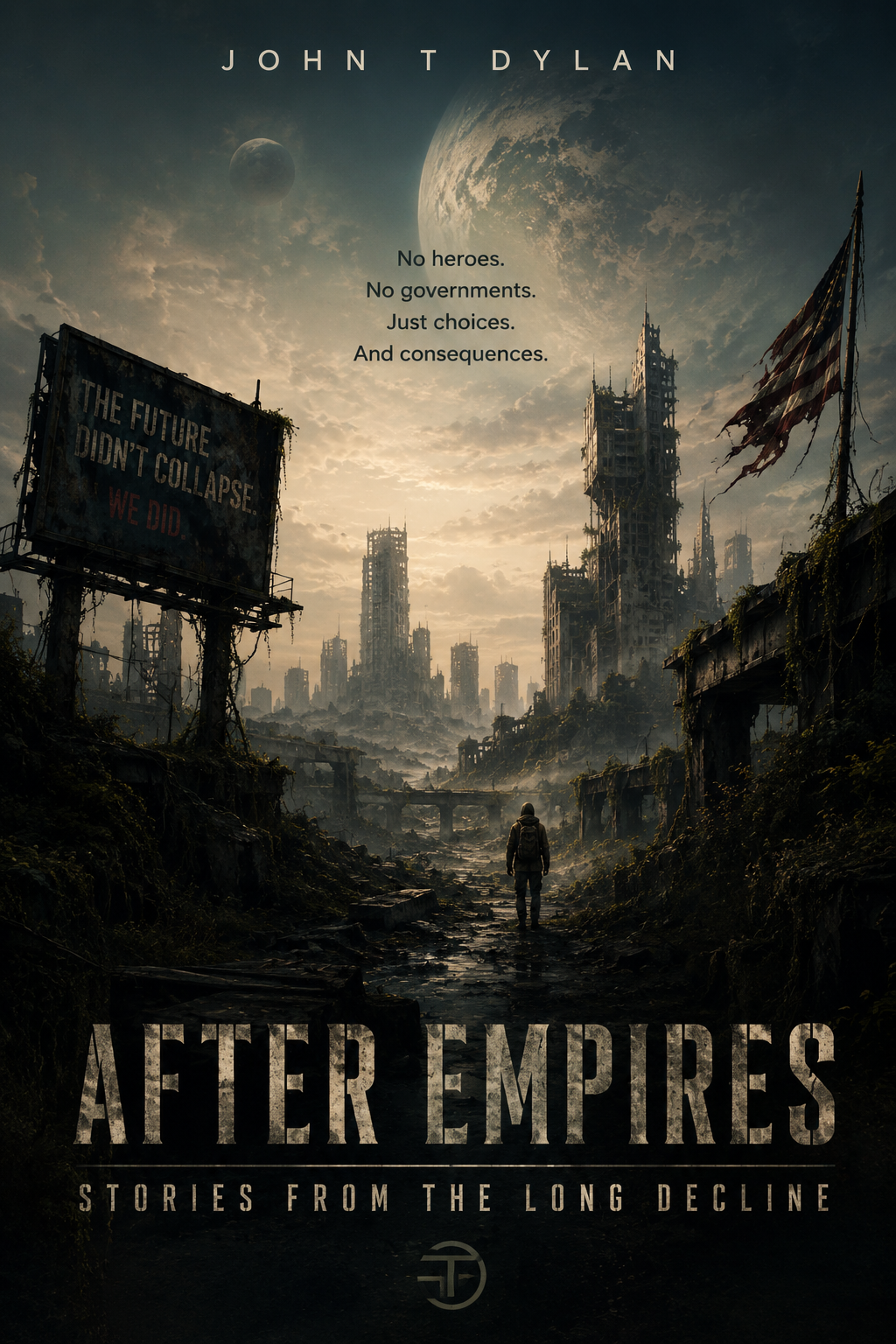
The writing of John T Dylan spans speculative fiction, philosophical horror, political satire, dark fantasy, science fiction, absurdist comedy, and experimental literary work exploring the unstable boundaries between identity, technology, mythology, systems of power, and modern existence. Often blending cinematic pacing with idea-driven storytelling, the work moves fluidly between novels, short fiction, scripts, essays, vignettes, and fragmented narrative experiments, frequently focusing on characters confronting collapsing worlds, distorted realities, and the psychological weight of living inside systems larger than themselves.
Across multiple published and unpublished projects, recurring themes emerge involving media manipulation, existential absurdity, fractured identity, artificial intelligence, violence, institutional decay, social performance, and the mythology humans construct to survive uncertain futures. Some stories unfold through traditional narrative structures, while others take the form of interconnected fragments, archived documents, conversations, transmissions, and recovered accounts from alternate or speculative realities. The result is a body of work less focused on genre boundaries than on atmosphere, thematic resonance, and conceptual exploration.
Collected within the broader framework of Dead Signal Archive, the writing of John T Dylan functions as both a literary catalog and an evolving archive of speculative worlds, philosophical experiments, and narrative systems spanning multiple mediums and formats. From intimate character studies and satirical dystopias to large-scale mythic conflicts and surreal horror concepts, each project contributes to an expanding constellation of stories connected by tone, worldview, and the persistent search for meaning within collapsing realities.
John Grimm
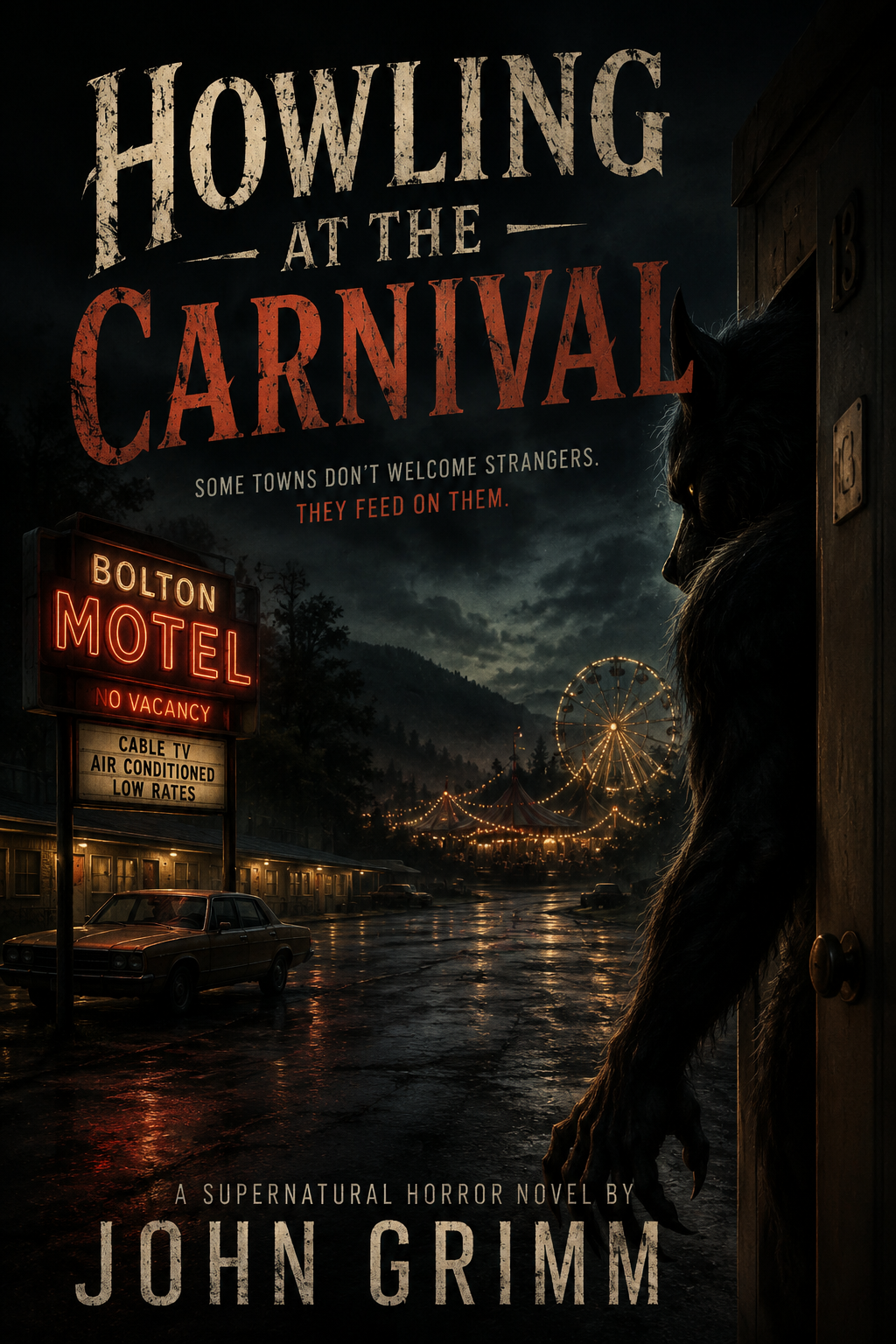
Howling at the Carnival is a supernatural horror novel by John Grimm blending roadside Americana, existential isolation, and surreal small-town terror into a grounded story about monsters hiding beneath ordinary life. After his car breaks down during a brutal Appalachian heatwave, Steve Blanchard finds himself stranded in the remote mountain town of Bolton, Virginia — a place where everyone is anxiously awaiting the arrival of Gustav’s Carnival. As the oppressive heat worsens and the town slips into an increasingly euphoric haze, Steve discovers his motel neighbors are werewolf monster hunters investigating the carnival’s mysterious owner, an ancient vampire whose influence has quietly consumed the town for generations. Combining conversational realism, atmospheric horror, dark humor, and cryptid mythology, Howling at the Carnival explores loneliness, belonging, and the seductive danger of surrendering yourself for comfort.
Writing under the name John Grimm, John T Dylan explores a darker and more pulp-inspired branch of his fiction — one rooted in forgotten highways, neon carnival lights, cheap motel rooms, and hidden supernatural worlds buried beneath modern America. Grimm’s work focuses less on traditional horror spectacle and more on atmosphere, human behavior, and emotionally grounded characters trapped inside strange and impossible situations. Influenced by classic Americana horror, indie supernatural cinema, and conversational realism, his stories aim to feel less like polished fantasy and more like unsettling experiences half-remembered from a long drive through the mountains at two in the morning.
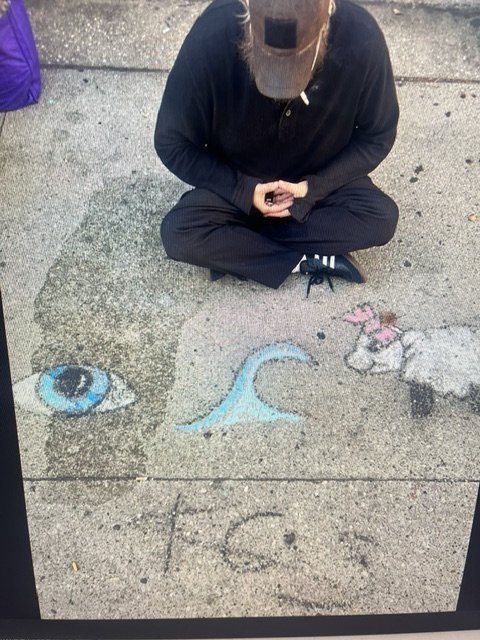
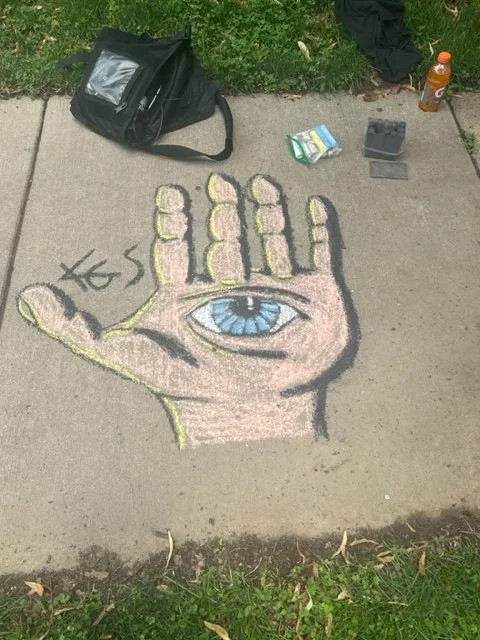
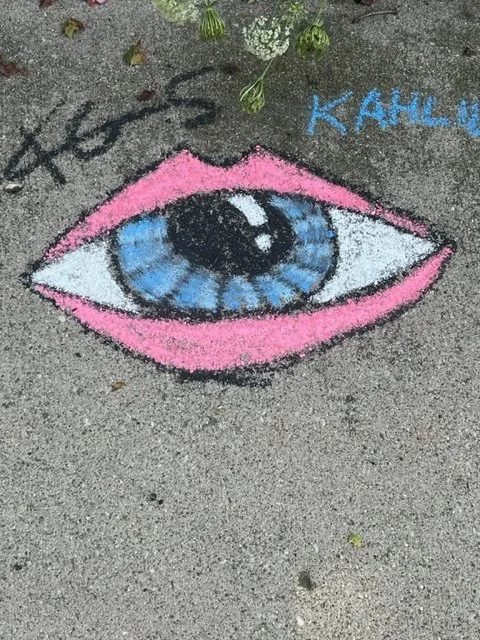
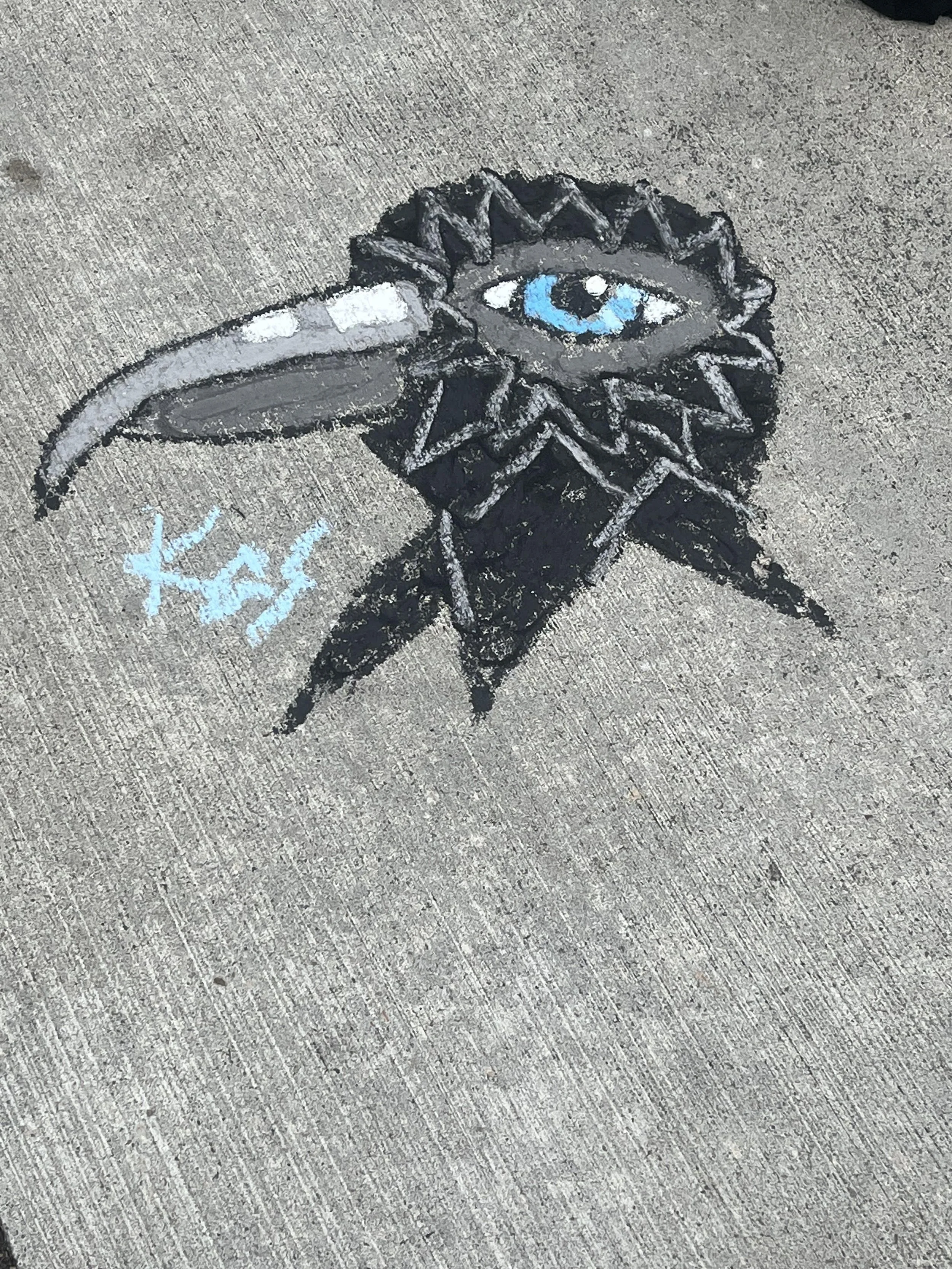
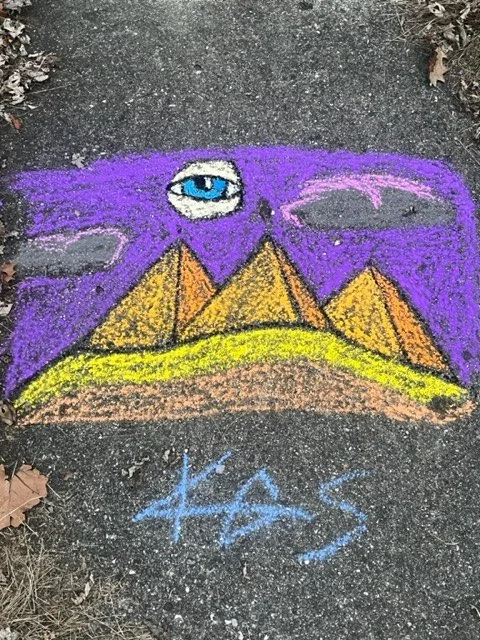
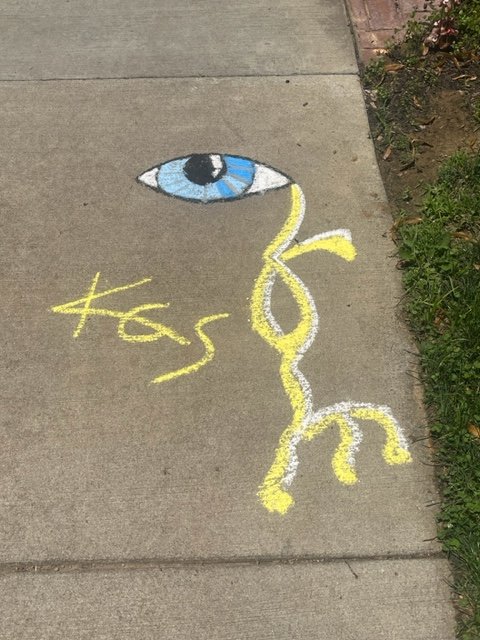
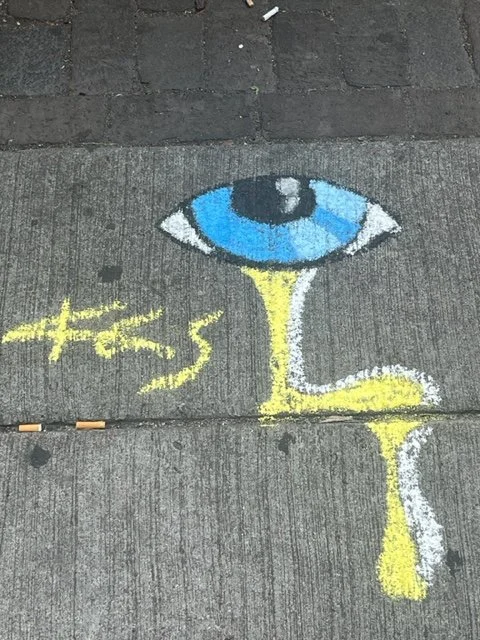
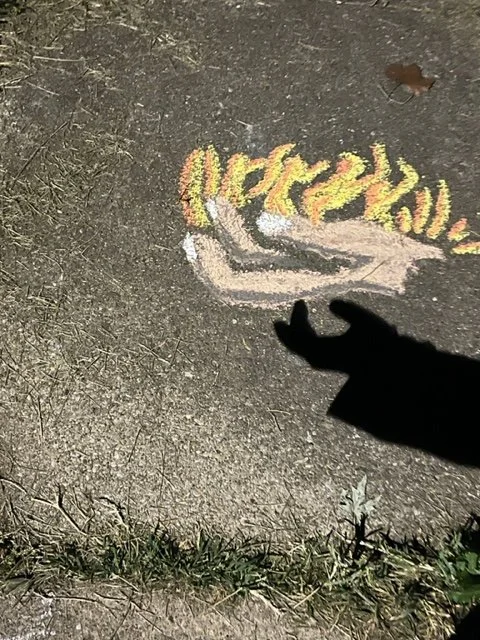
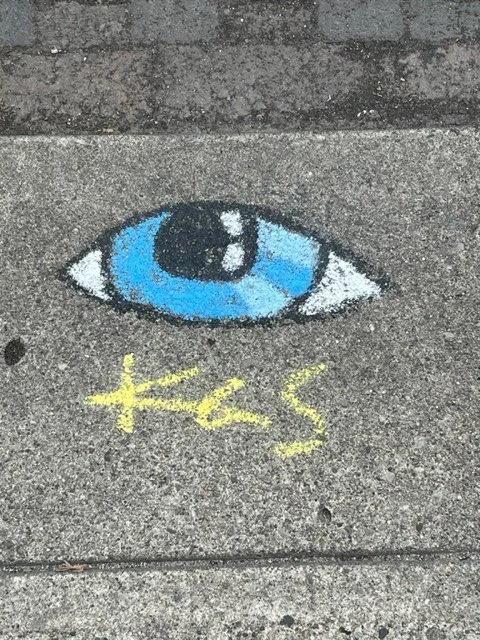
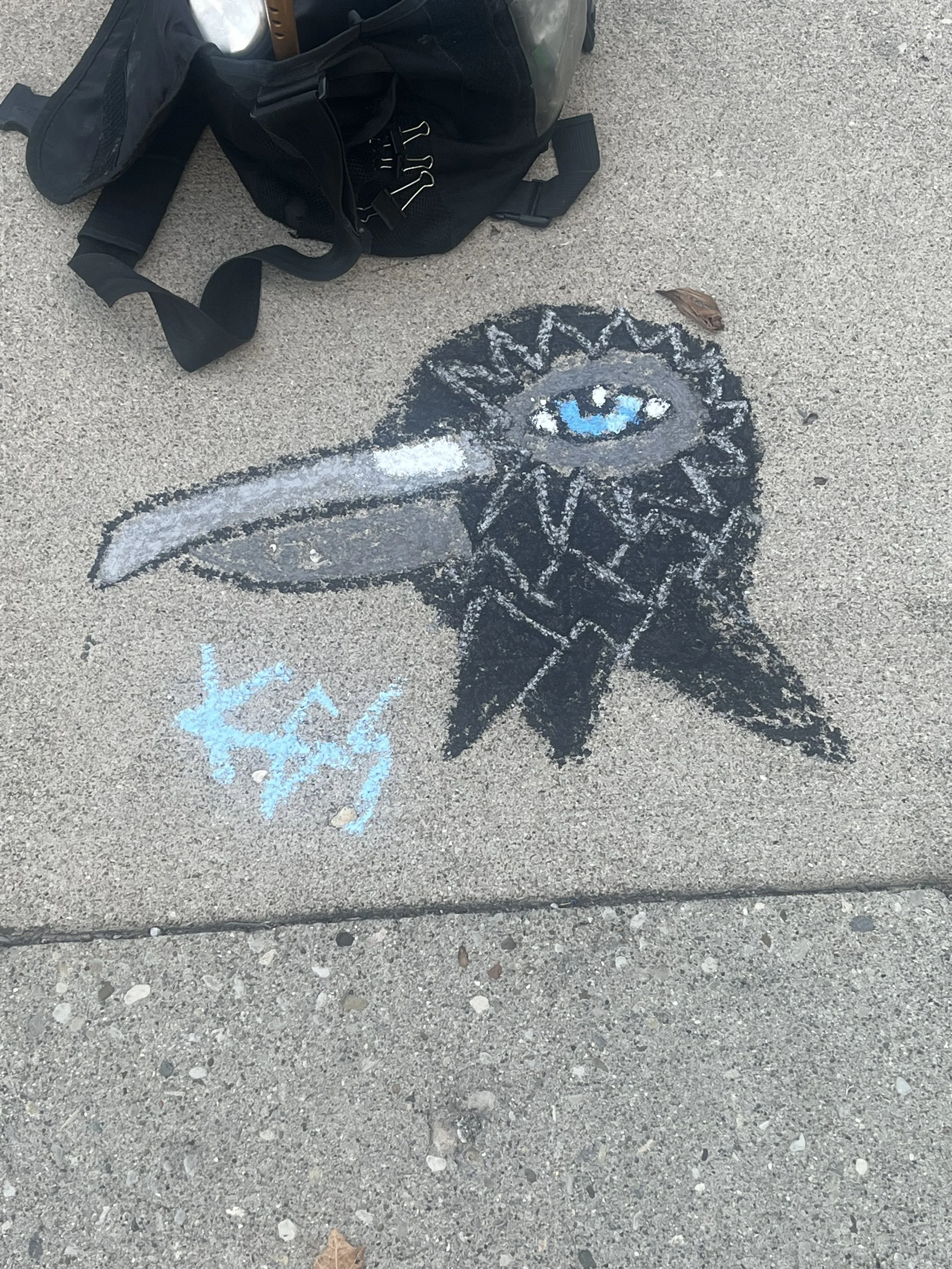
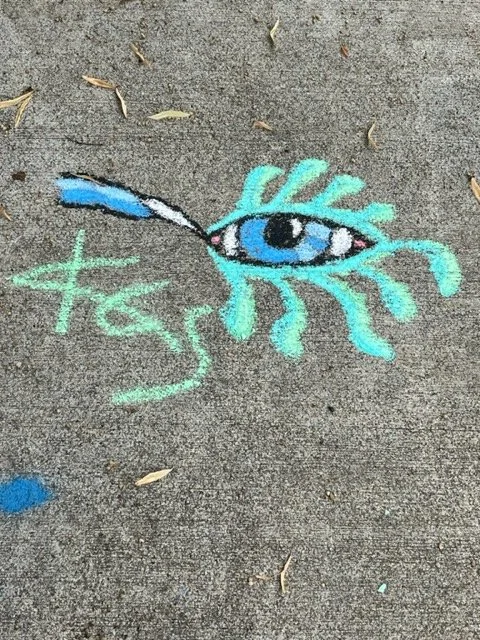
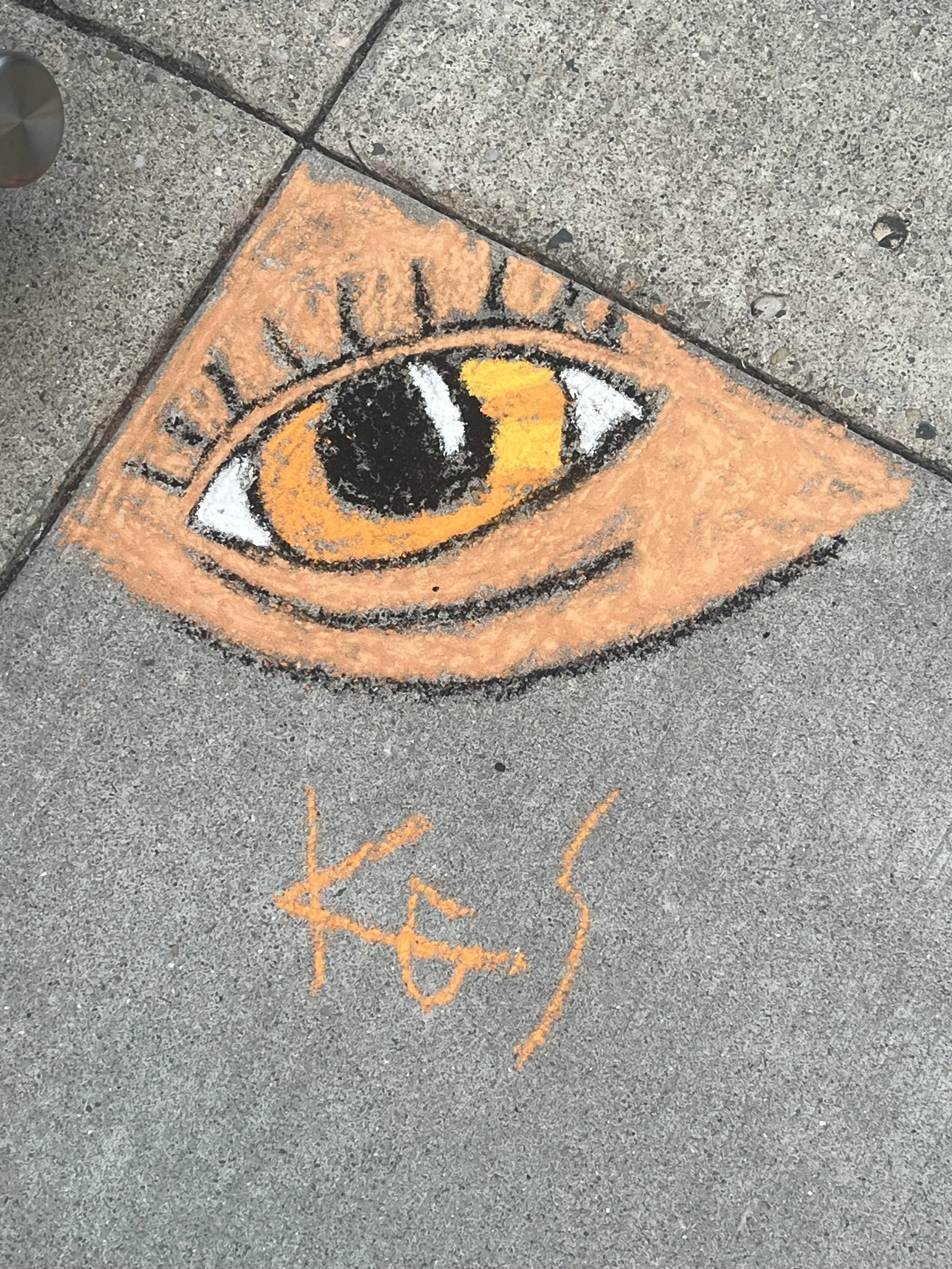
The Chalk Art of KGS - 2023
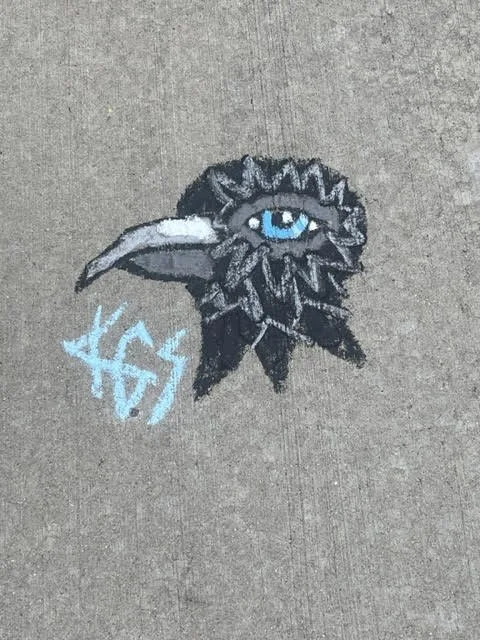
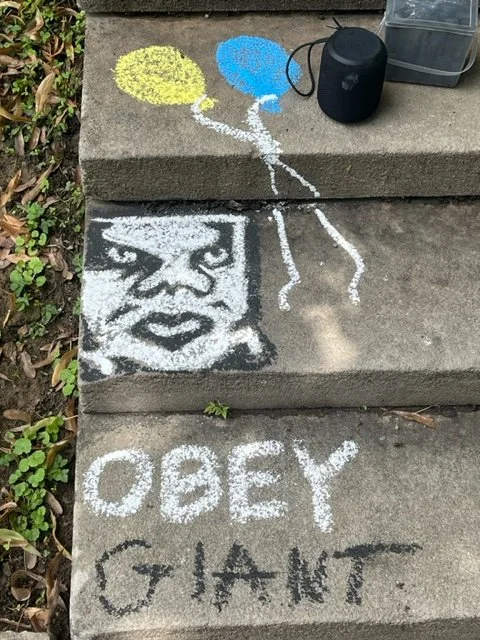

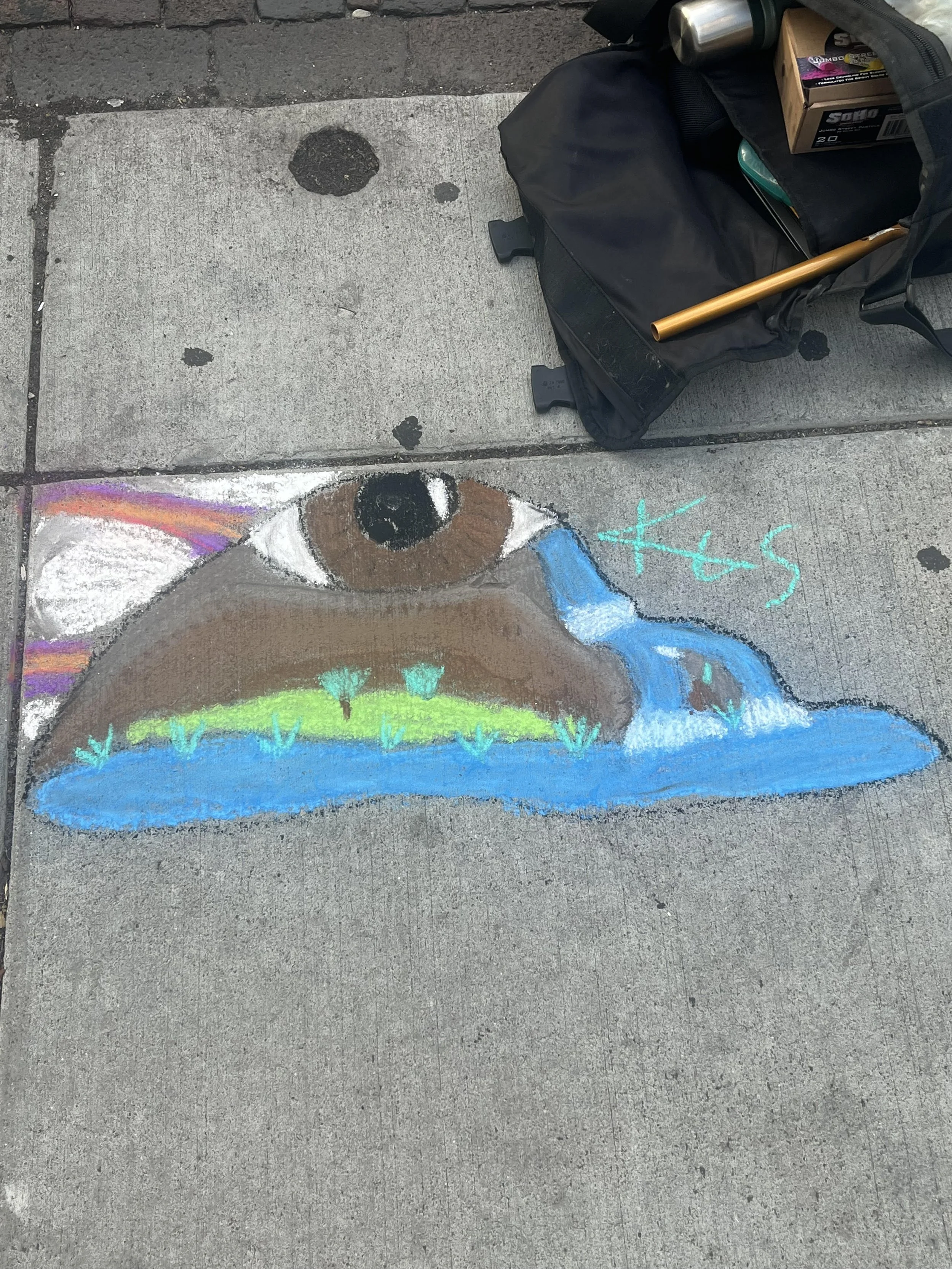
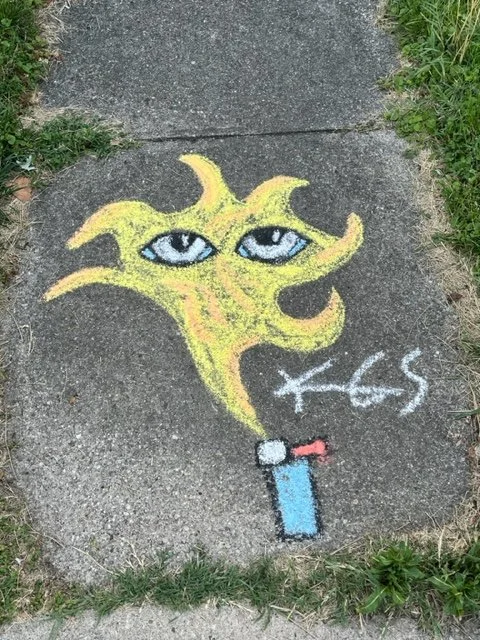
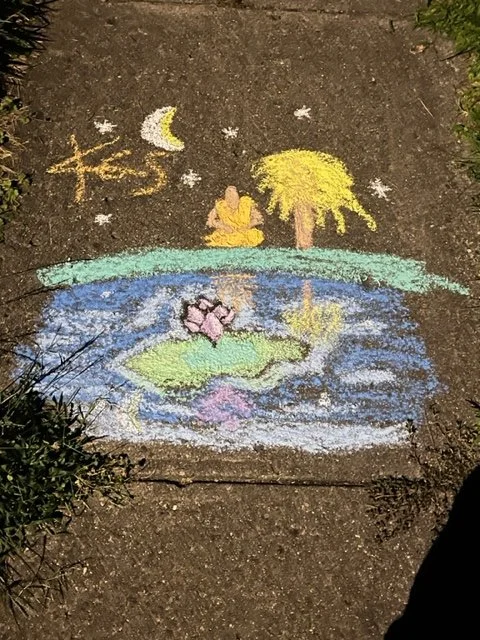
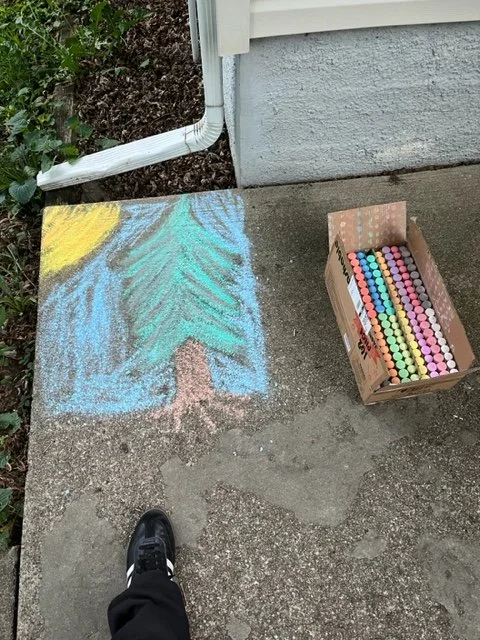
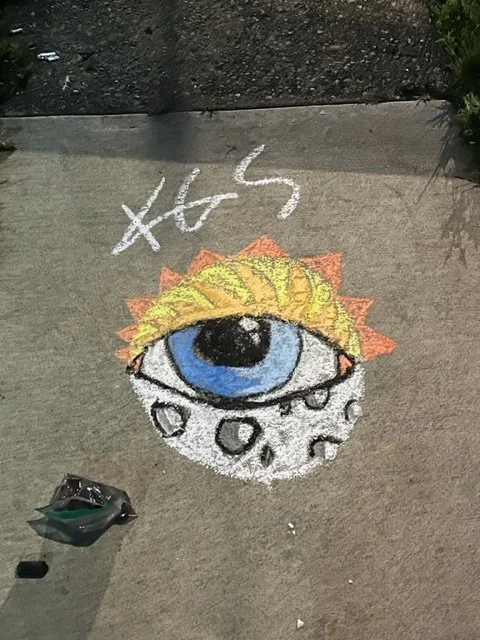

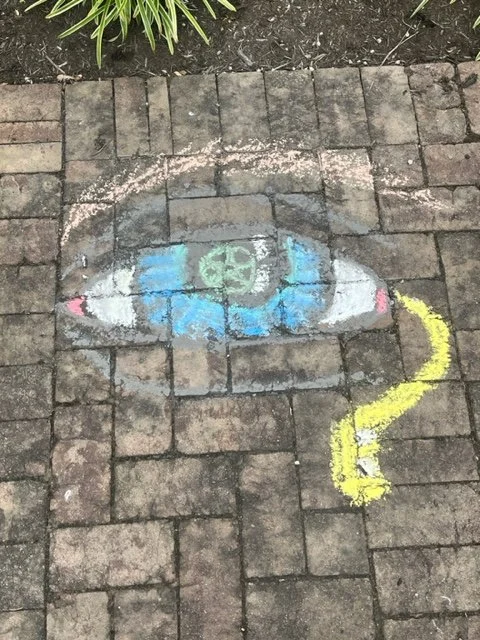


Queen of Steam
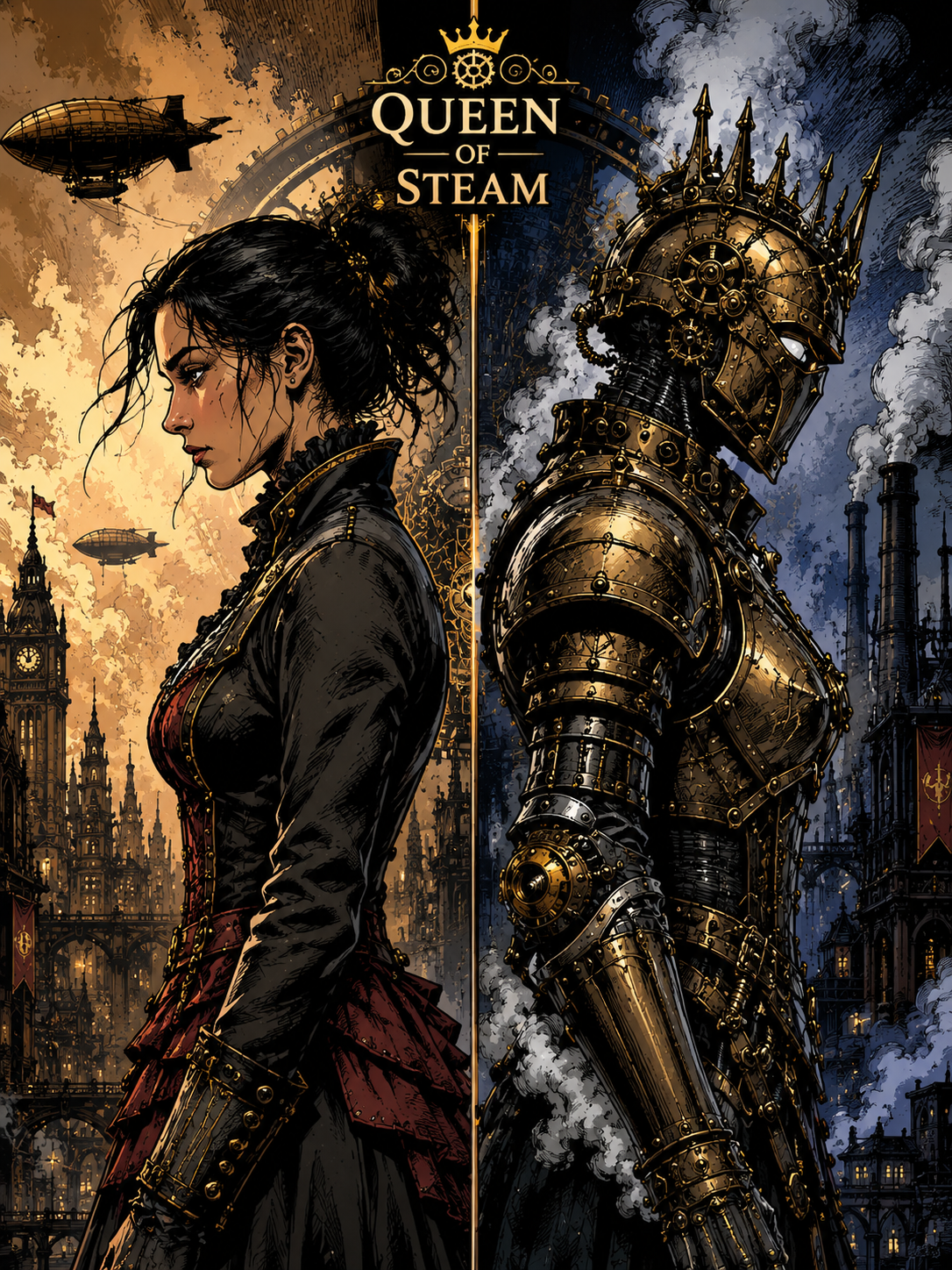
Queen of Steam is a diesel-stained tale of vengeance, revolution, and machinery in a kingdom where industry has replaced nobility and obedience has become religion. After the murder of her parents by agents of the Merchant Guilds, young Doris is taken in by the mysterious inventor Albert. He was former ally to the fallen Steam King and creator of the legendary Steam Knight armor. Trained in the secrets of steam technology, espionage, and war, Doris journeys toward the towering industrial nightmare of Steam City with one purpose: revenge. But beneath the smoke and steel lies a conspiracy far larger than a single murder, and Doris must decide whether she will become a weapon of vengeance… or the spark that burns an empire to the ground.
Blending gothic industrial imagery, political intrigue, and brutal action with philosophical undertones, Queen of Steam explores class, power, mechanization, and the cost of revolution in a world where every gear turns for someone else’s profit.
The Devil You Know
In a world where damnation has become just another corporate structure, a lonely young man makes a joke he never intended anyone to hear:
“I’d sell my soul for a date with that girl.”
Someone answers.
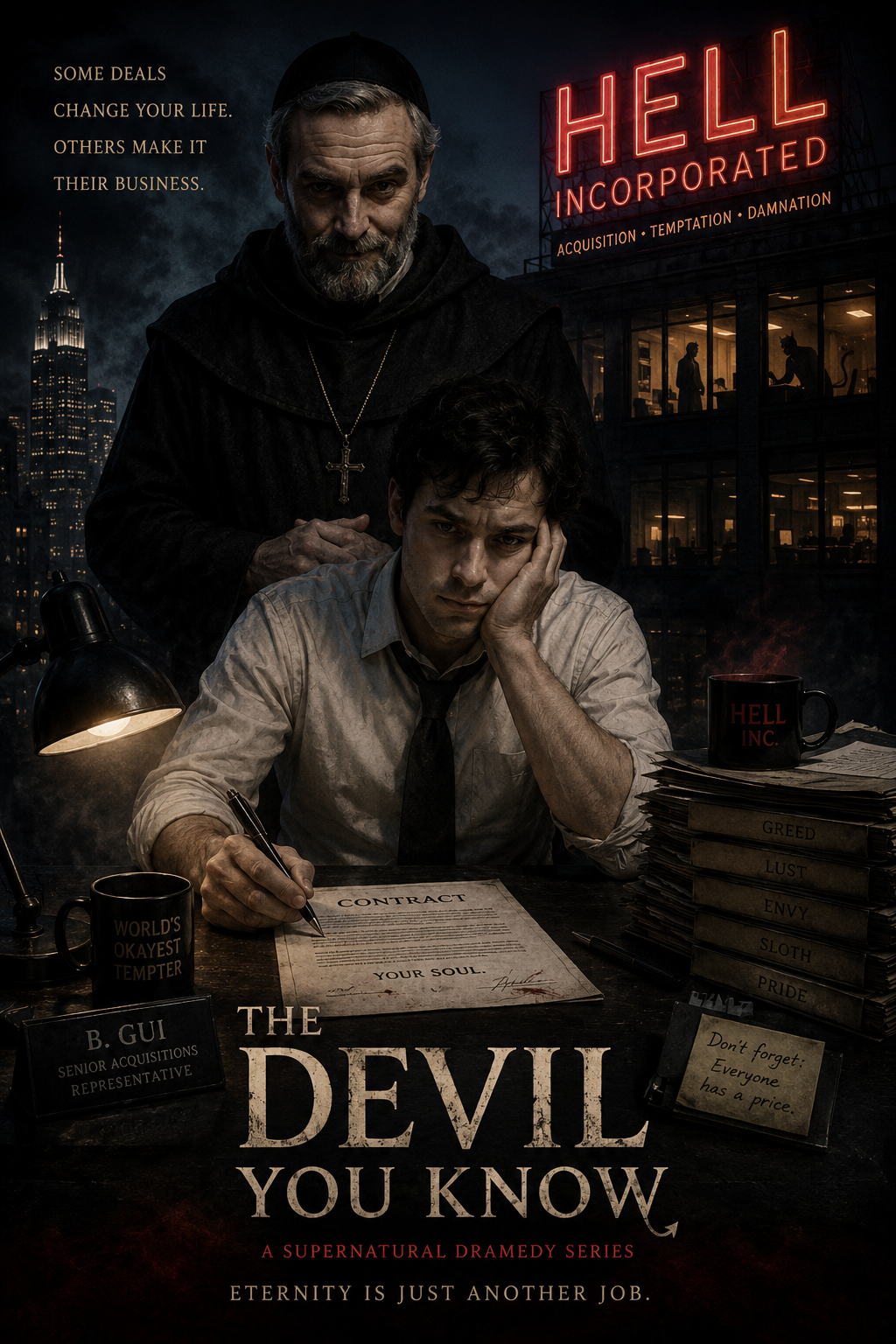
The Devil You Know is a dark supernatural dramedy following Phillip, an ordinary man who unknowingly signs away eternity after making a deal brokered by Bernard Gui, a calm and unnervingly polite former inquisitor now working as a recruiter for Hell. What begins as a desperate attempt to improve his miserable life slowly transforms into employment within an ancient bureaucracy built on temptation, manipulation, and the subtle destruction of human lives.
Far removed from fire-and-brimstone horror, Hell in The Devil You Know operates like an immortal corporation. Angels, demons, and forgotten entities treat morality as paperwork, human suffering as quarterly metrics, and eternal conflict as little more than office politics. Phillip soon discovers that the greatest evil rarely arrives through grand acts of violence, but through tiny moments of weakness quietly encouraged by unseen hands.
Blending existential horror, dry humor, philosophical cynicism, and supernatural satire, The Devil You Know explores loneliness, free will, spiritual exhaustion, and the terrifying possibility that the systems controlling humanity may be every bit as mundane as the world itself.
Crow Style Self Defense
Defense for the Disenfranchised
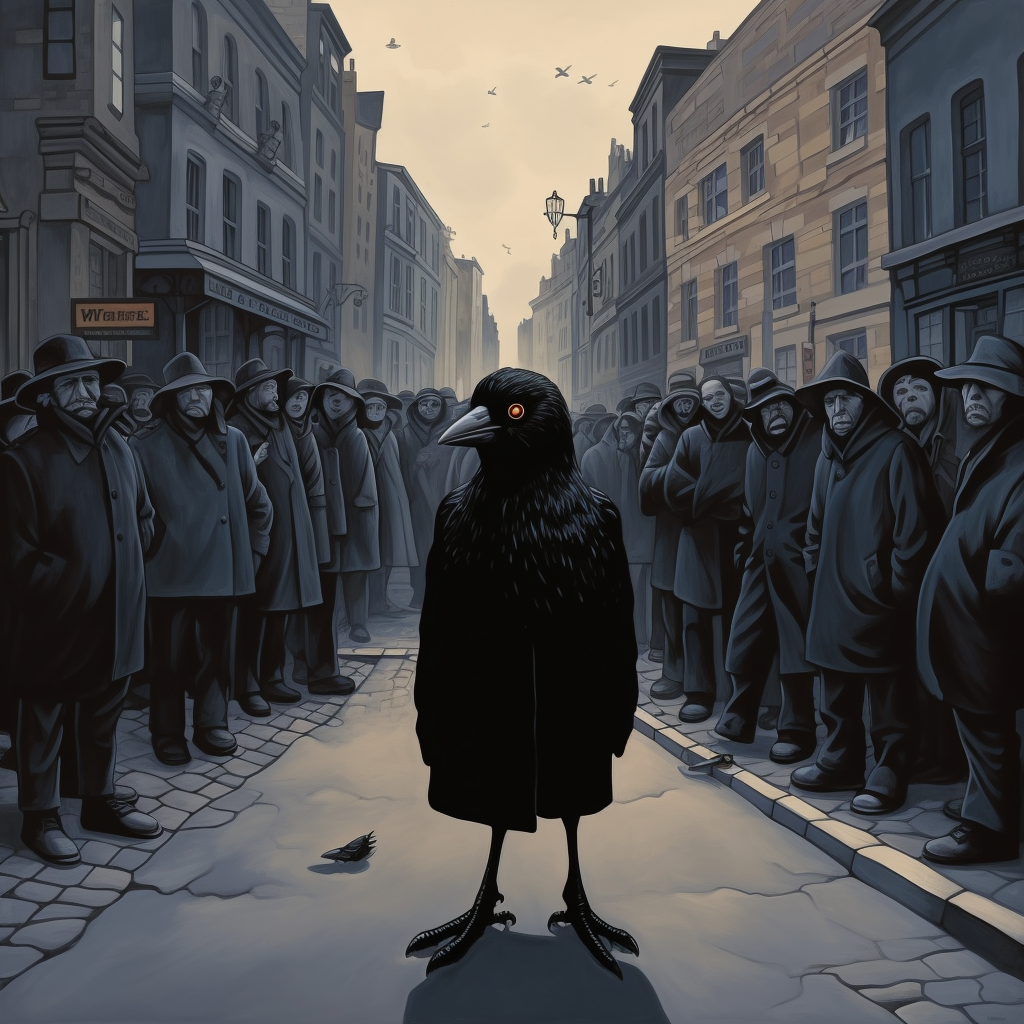
Crow Style Self-Defense is not a martial arts manual about domination or power. It is a philosophy of survival written for the outcasts, the stigmatized, and the forgotten. Blending improvised self-defense, mutual protection, anti-authoritarian ethics, and street-level realism, the book teaches practical techniques using everyday objects like umbrellas, belts, and baseball caps while emphasizing de-escalation, awareness, and community solidarity above violence. Written in the voice of “the Blue-Eyed Crow,” the text moves between training guide, political manifesto, and survival philosophy, arguing that the right to defend oneself belongs not to predators seeking power, but to vulnerable people trying to survive an increasingly dangerous world.